Guide 01 Independent notes
Australian alternative music history
Australian indie did not arrive in one moment. It grew out of a live pub circuit, a punk and post-punk wave, small labels, youth radio and festivals, then changed again once the internet arrived.
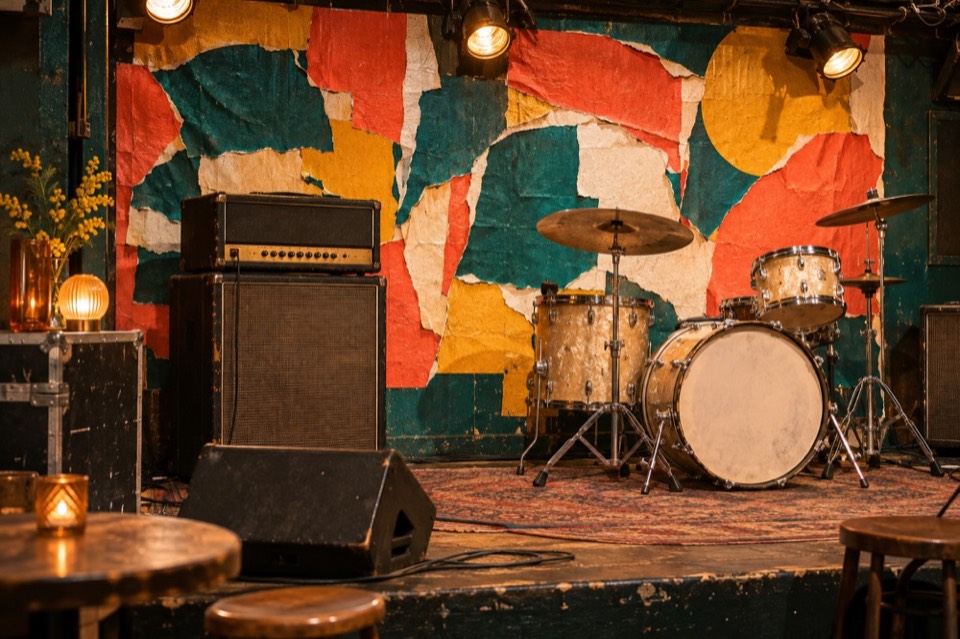
The pub circuit comes first
Any history of Australian alternative music starts in the pub. During the 1970s and 1980s large hotels in every capital city ran live bands most nights, and loud guitar bands could build an audience by playing the same rooms again and again. Writers often call the result Australian pub rock, and it set up the habit of live music as a normal night out that the scene still relies on.
The circuit mattered for independent music in a practical way. It gave young bands somewhere to play without needing a record deal, and it gave audiences a reason to follow a band from room to room.
Punk and post-punk reach the cities
Late in the 1970s punk and then post-punk gave smaller groups a reason to start. The Saints from Brisbane are often cited as an early example: they put out their first single themselves in 1976. Around the turn of the 1980s Melbourne had a busy small-band scene, sometimes called the Little Bands scene, and other cities had their own circles of bands, venues and fanzines.
Several groups from this period, such as The Go-Betweens from Brisbane, The Triffids from Perth, The Church from Sydney and The Birthday Party from Melbourne, are still named when people trace where Australian alternative music came from. They are starting points for listening, not a complete list.
Independent labels and record shops
Independent record shops and small labels made it possible to release a single or an album without a major company. Shops stocked local seven-inch singles and cassettes, fanzines reviewed them, and bands sold copies at gigs. This is the plain meaning of independent in this story: the people making the music, or a small label close to them, stayed in control of how it reached listeners.
Radio changes the map
Radio did a lot of the work of linking cities. The national youth broadcaster began in Sydney in 1975 as 2JJ and became a national network, renamed Triple J, in 1989, which gave bands from small scenes a way to be heard far from home. At the same time community stations were growing in several cities, and they gave local and unsigned bands airplay that commercial radio rarely offered. Our guide to community radio in Australia covers that side in more detail.
The 1990s: alternative everywhere
In the 1990s alternative rock was a worldwide commercial wave, and Australian bands rode it in their own way. Touring festivals such as the Big Day Out, which began in the early 1990s and toured until the middle of the 2010s, put local alternative bands on the same stage as international headliners. Searches for Australian indie bands of the 1990s usually lead to this mix of guitar bands, small labels and festival slots.
The 2000s onward: blogs, MySpace and streaming
In the 2000s music blogs, online forums and band pages made it easier for a group in one city to reach listeners in another, and later services such as Bandcamp let artists sell music directly. Streaming and social media have since changed how people find bands again, but the older foundations remain: live rooms, community radio, small labels and word of mouth.
If you want to explore the modern scene, start with how to discover new indie bands, then take what you learn to a local show.
Where did alternative music originate?
Alternative music has no single birthplace. The word described guitar music that stood outside the mainstream charts in several countries from the late 1970s and 1980s, often tied to punk, small labels, college and community radio and touring on a tight budget. Australia contributed to that story and had its own local version of it.