Guide 02 Independent notes
Community radio in Australia and why indie bands care
Community radio is the part of Australian broadcasting that is run by and for local communities. For independent music it is one of the most reliable places to be heard and to hear something new.
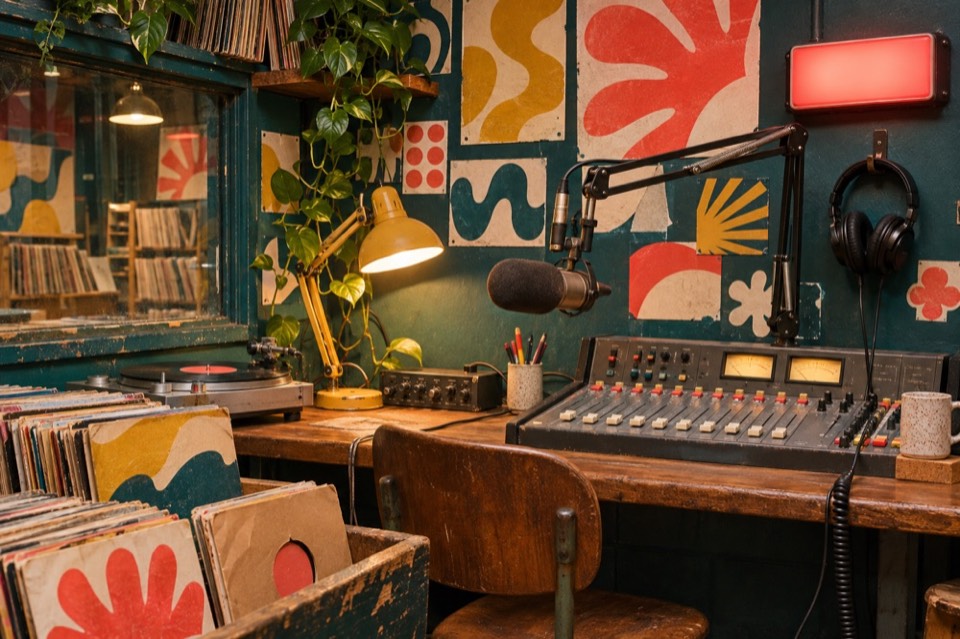
What community radio is
Australia has three broadcasting sectors: the national public broadcasters, commercial stations, and a community sector. Community radio stations are non-profit, hold a licence from the national regulator, and are run for the benefit of a local area or a group with shared interests, such as a language community, a faith group, an arts audience or young people.
Many stations rely heavily on volunteers. Presenters, producers, technicians and board members often give their time, which is why a station can offer a specialist show on a niche genre that a commercial station would not risk.
How it fits the indie music scene
Community stations are where many independent bands first hear themselves on air. Several cities have well known music-focused community stations, for example 3RRR and PBS in Melbourne, 4ZZZ in Brisbane, RTRFM in Perth and FBi in Sydney. Their schedules mix specialist shows, local news and new releases, and they often announce local gigs.
Because the programmers are listeners and fans first, a short, polite message with a link to a track can reach a real person. That is quite different from the way playlists are built on large commercial networks.
The national peak body and airplay support
Community stations are represented nationally by the Community Broadcasting Association of Australia, usually shortened to CBAA. A related initiative, the Australian Music Radio Airplay Project, known as AMRAP, exists to help get Australian music in front of community radio programmers. If you are in a band, its pages explain how tracks are made available to stations.
How to listen
Most stations broadcast on FM or digital radio in their area and also stream online, and many offer a mobile app or on-demand archives of shows. If you are new to the scene, pick a station in a city you care about, then follow the specialist shows that match your taste. A show with a presenter who talks about every track is usually a better guide than a long unbroken playlist.
How to get involved
Most stations welcome new volunteers and run training for presenting, production and technical work. The first step is usually an enquiry through the station's own website, followed by a short induction. Check the station directly for current requirements, because every station has its own rules and waiting lists.
Starting a show can also lead to a podcast. Our guide on how to start a music podcast covers the equipment and music rights questions.
Sending music to a station
Read the station's submission guidelines first. Send one track or one release, not your whole back catalogue, include a clear link, and say plainly where you are based, because local content is often what a community programmer is looking for. Be patient and polite: volunteers have limited time.