Guide 05 Independent notes
How to book a gig for your band
Booking your first shows feels like a locked door, but it is mostly about fit, preparation and manners. Here is how small bands usually get on a bill, and what promoters and venues look for.
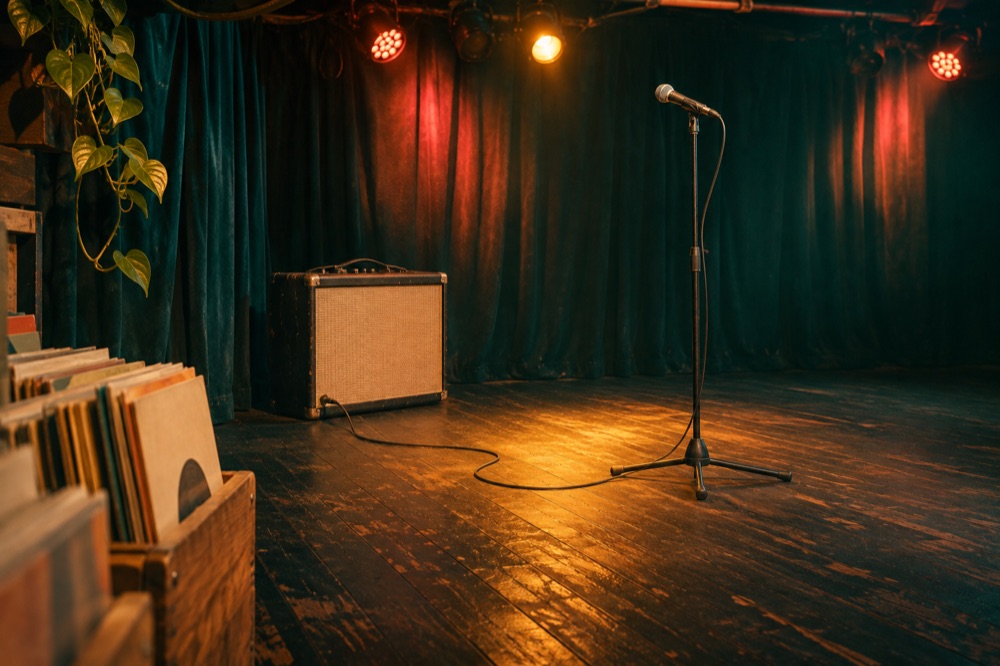
Know the rooms before you ask
Go to gigs in the places you want to play. Notice the size of the room, the style of the bands, who books them and how the nights are run. A pitch that says you have seen the room, and that your sound fits next to the bands who play there, gets a different answer from a copy-paste message.
Prepare a short package
Have one page ready. It should include a two-sentence description of your sound, a link to two good recordings, a live clip if you have one, your city and a contact. Keep the files small and the links working. You do not need a long biography.
Start with support slots and local bills
Most new bands begin as the opener on a local bill. Promoters often build a night around a headliner and fill the rest with local acts. Write to the person who books that night, say which bill you would suit and why, and offer dates. Another route is to team up with similar bands and put on a night together.
Write a pitch people can answer
Keep it short and specific: who you are, where you are from, what you play, a link, a suggested date range and what you can bring, such as a local following. Use the booker's name if you know it. Follow up once after a week or two and then wait. If the answer is no, say thanks and keep the relationship.
Understand how the money works
Arrangements differ between venues and cities. Some pay a fixed fee, some split the door after costs, some offer a share of ticket sales and some small shows pay little or nothing. How much a band charges depends on its draw and the room, so there is no honest single number. Ask early and in plain words how you will be paid, and agree it in writing, even if that is just an e-mail.
Bring people and be easy to work with
Promoters notice bands that tell friends, share the date, arrive on time for load-in and soundcheck, keep sets to the agreed length and stay to watch other acts. A band that does these things gets asked back, which is how a first gig turns into a regular slot.
Solo artists and DIY options
Solo performers can try open-mic nights, acoustic rooms and house concerts as well as bill slots. If rooms are hard to get into, a DIY show in a hall, a record shop or a community space can work, as long as you check permits, insurance and the rules for the space.